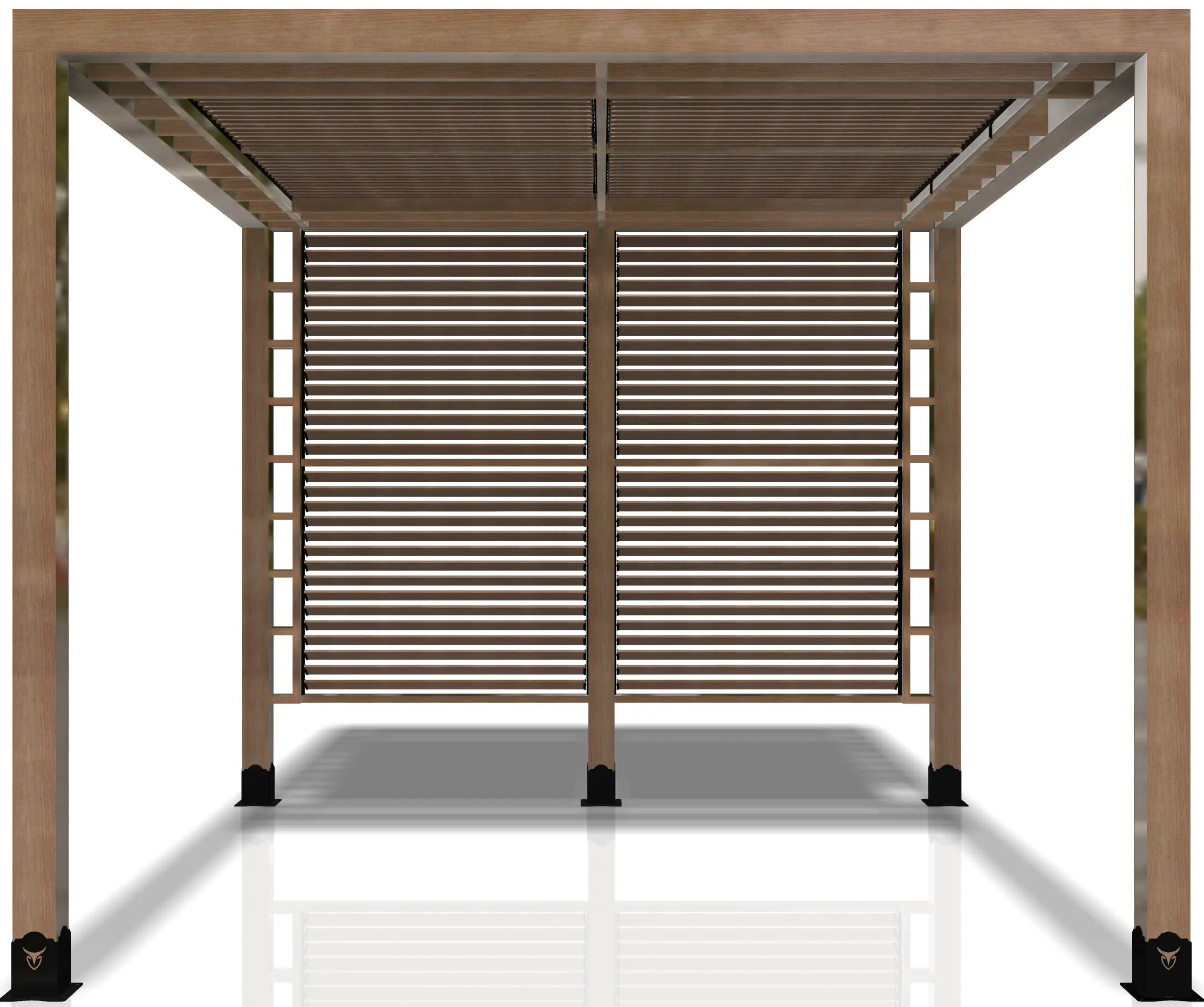
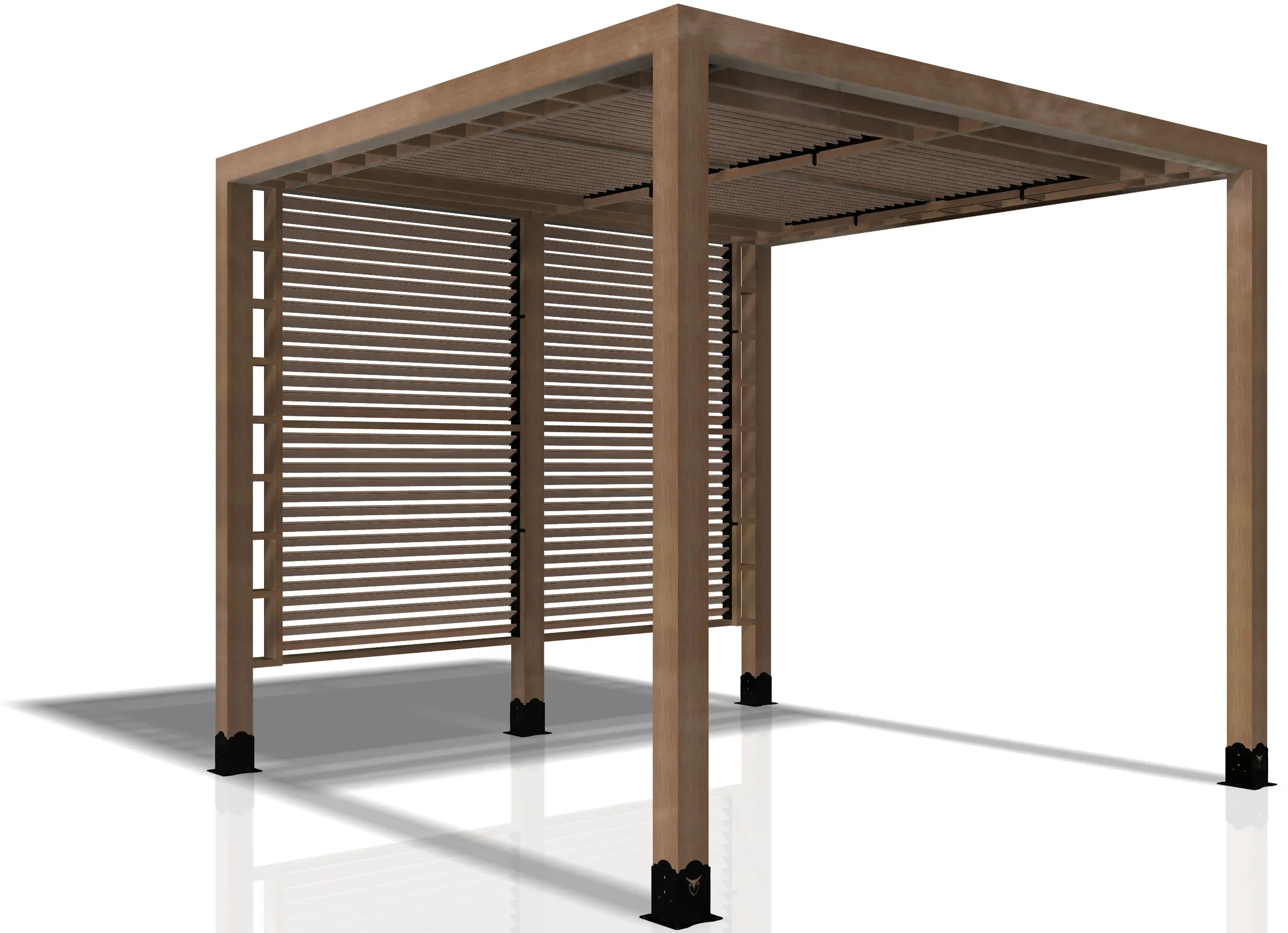
Square & Rectangle Series

4x4 Lumber Size

6x6, Surface Mounted, Louvered Square

6x6, Surface Mounted Louverd Square

6x6, Surface Mounted, Louvered Square

6x6, Surface Mounted Louverd Square

Shopping Cart
Scroll to Top

List of Recommended Tools

Measuring Tape

A tape measure in good condition with a capacity to measure at least 16 feet (5 m) is required.
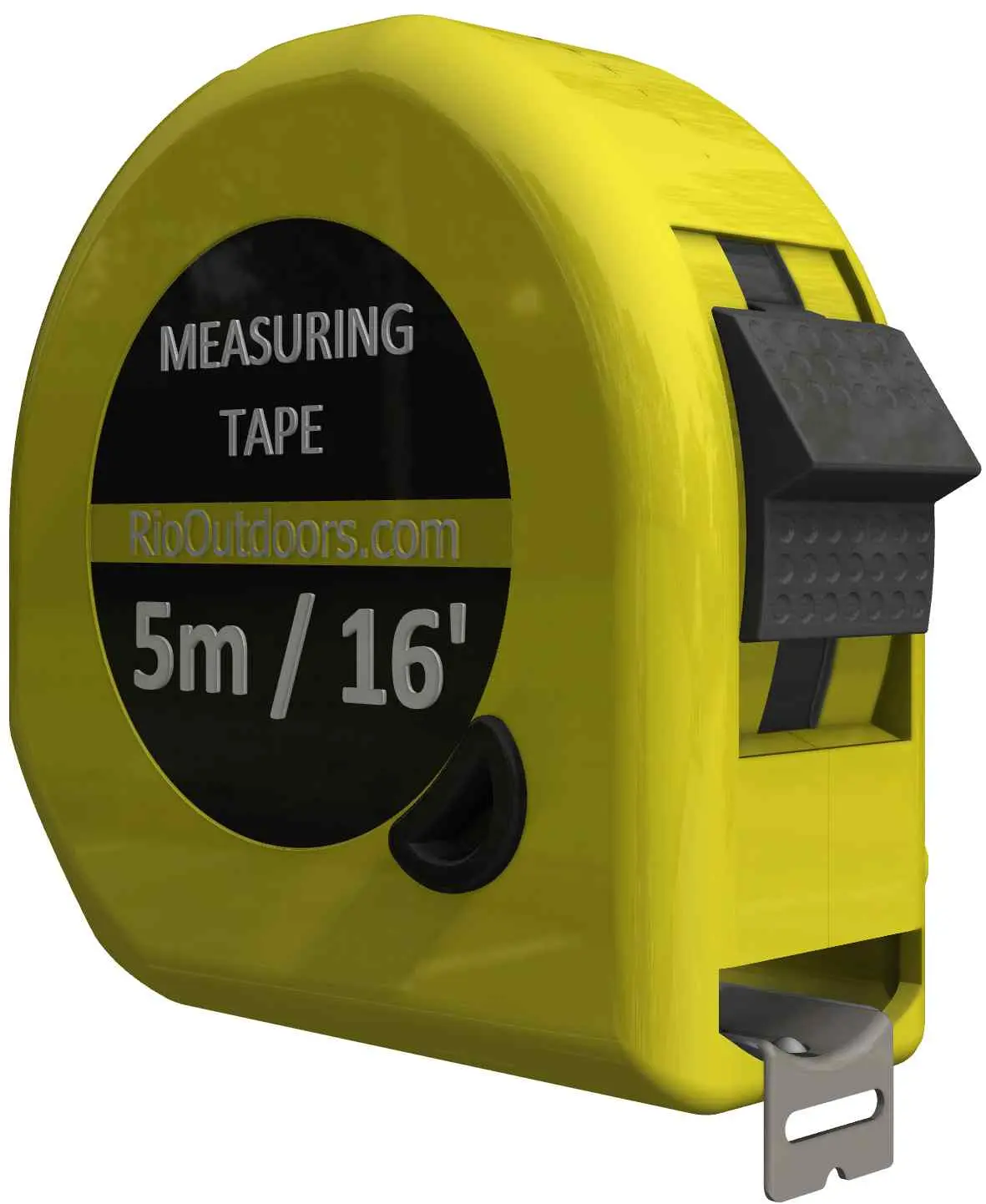
Hammer

A framing hammer with, at least, a 16 oz head is required to hammer in concrete bull anchors into concrete pads and concrete footings.
Framing Level

A framing level, 4 feet long, is recommended to check plumb of posts and level of headers and ridge rafters.

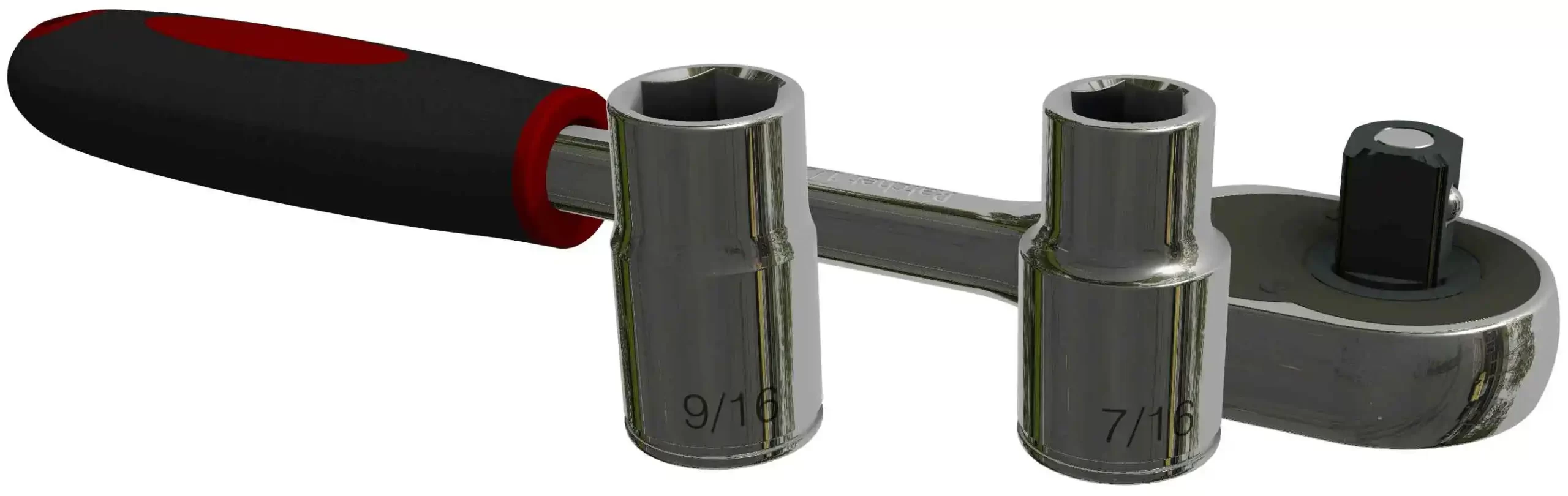
Ratchet  & Socket Drivers

A racket  & socket drivers are recommended to fully drive lag screws.

7/16″ Hex Socket

The 1/4″ x 1-1/4″ Lag Screws have a 7/16″ hex head. A 7/16″ Socket is required to drive the 7/16″ head lag screws.

9/16″ Hex Socket

The 3/8″ x 3″ Lag Screws used for raftered pergola brackets have a 3/8″ hex head. A 9/16″ Socket is required to drive the 3/8″ head lag screws.
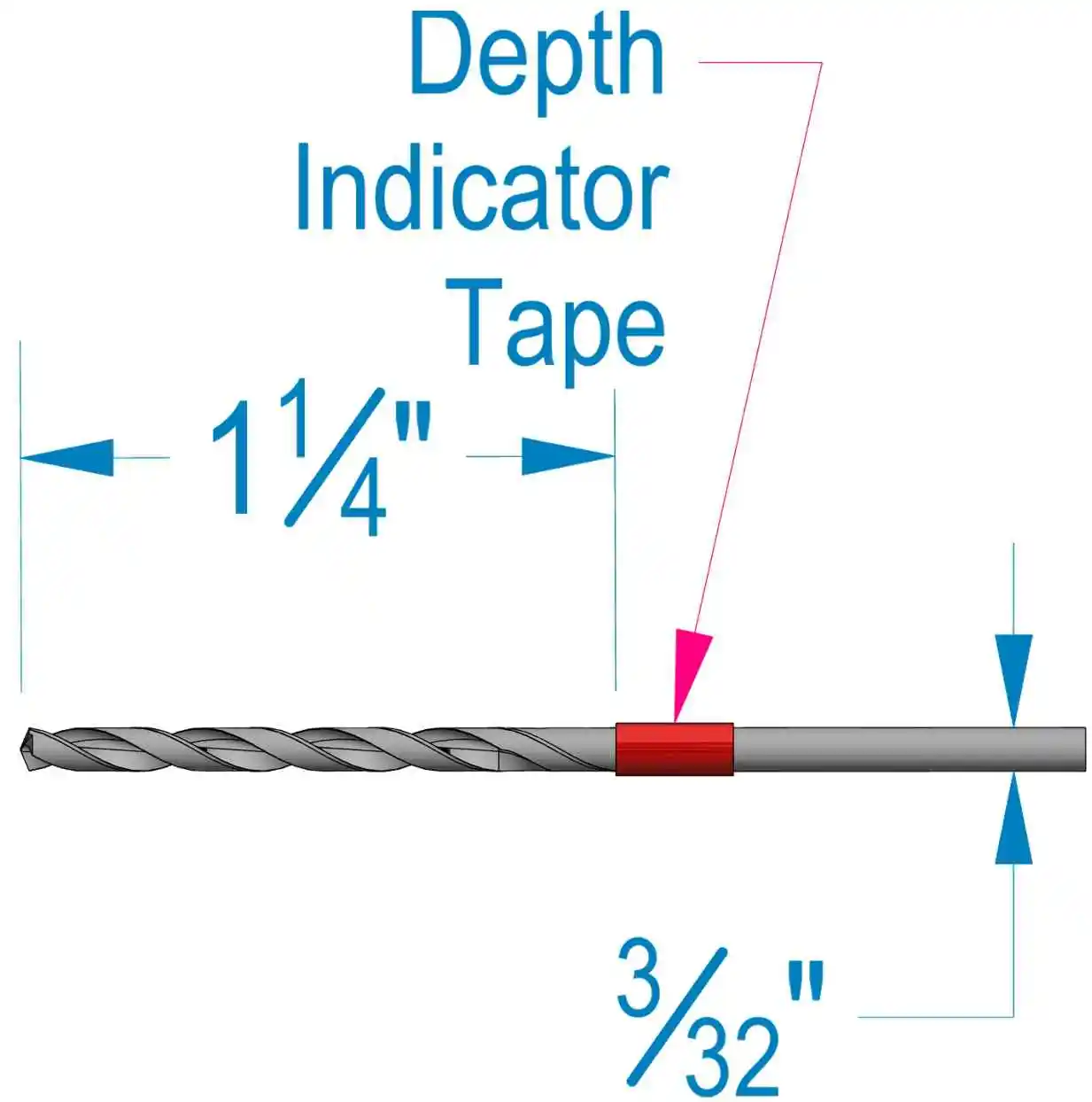
3/32″ Drill Bit

A 3/32″ pilot hole is required if driving 1/4″ diameter lag screws into lumber.

Before driving 1/4″ diameter lag screws into lumber, a 3/32″ pilot hole, hole depth equal to length of screw, must be drilled to prevent the wood from cracking and to allow full lag screw penetration.
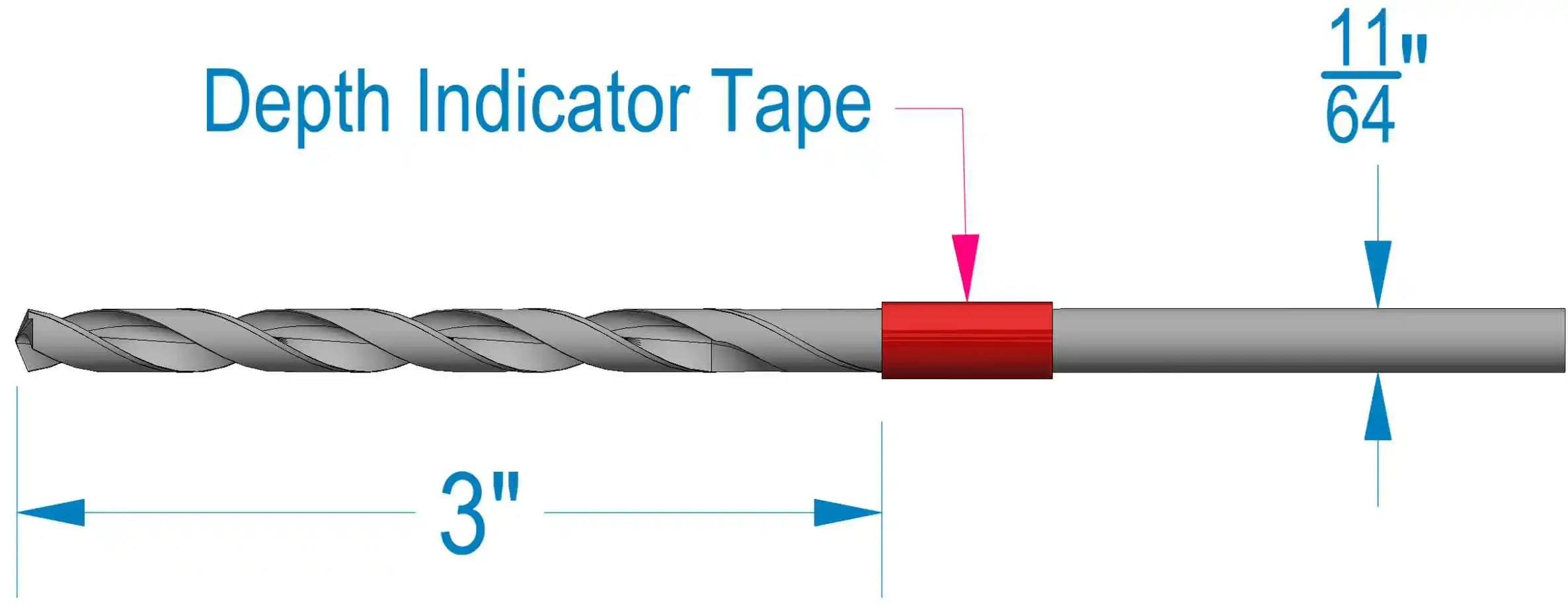
11/64″ Drill Bit

An 11/64″ pilot hole is required if driving 3/8″ diameter lag screws lumber.

Before driving 3/8″ diameter lag screws into lumber, an 11/64″” pilot hole, hole depth equal to length of screw,  must be drilled to prevent the wood from cracking and to allow full lag screw penetration.
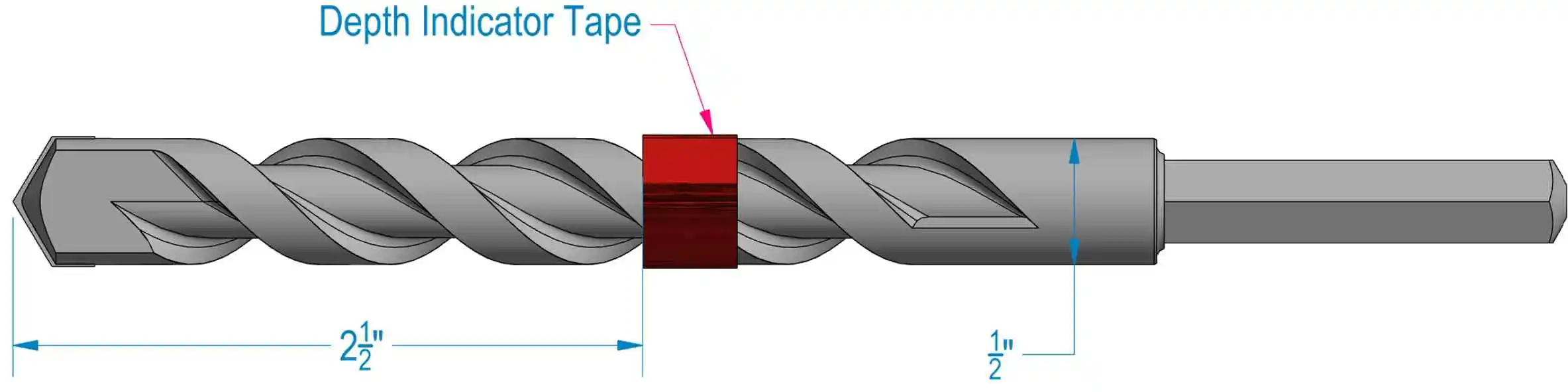
1/2″ x 4″ Masonry Drill Bit

1/2″ diameter x 2-3/4″ concrete bull anchor bolts are included with floor anchor brackets. These anchors are to be employed to secure floor anchor brackets to concrete pads and concrete footings.

Use the 1/2″ x 4″ masonry drill bit to drill 1/2″ x 2-1/4″ deep holes in concrete pads and concrete footings.
Hammer Drill

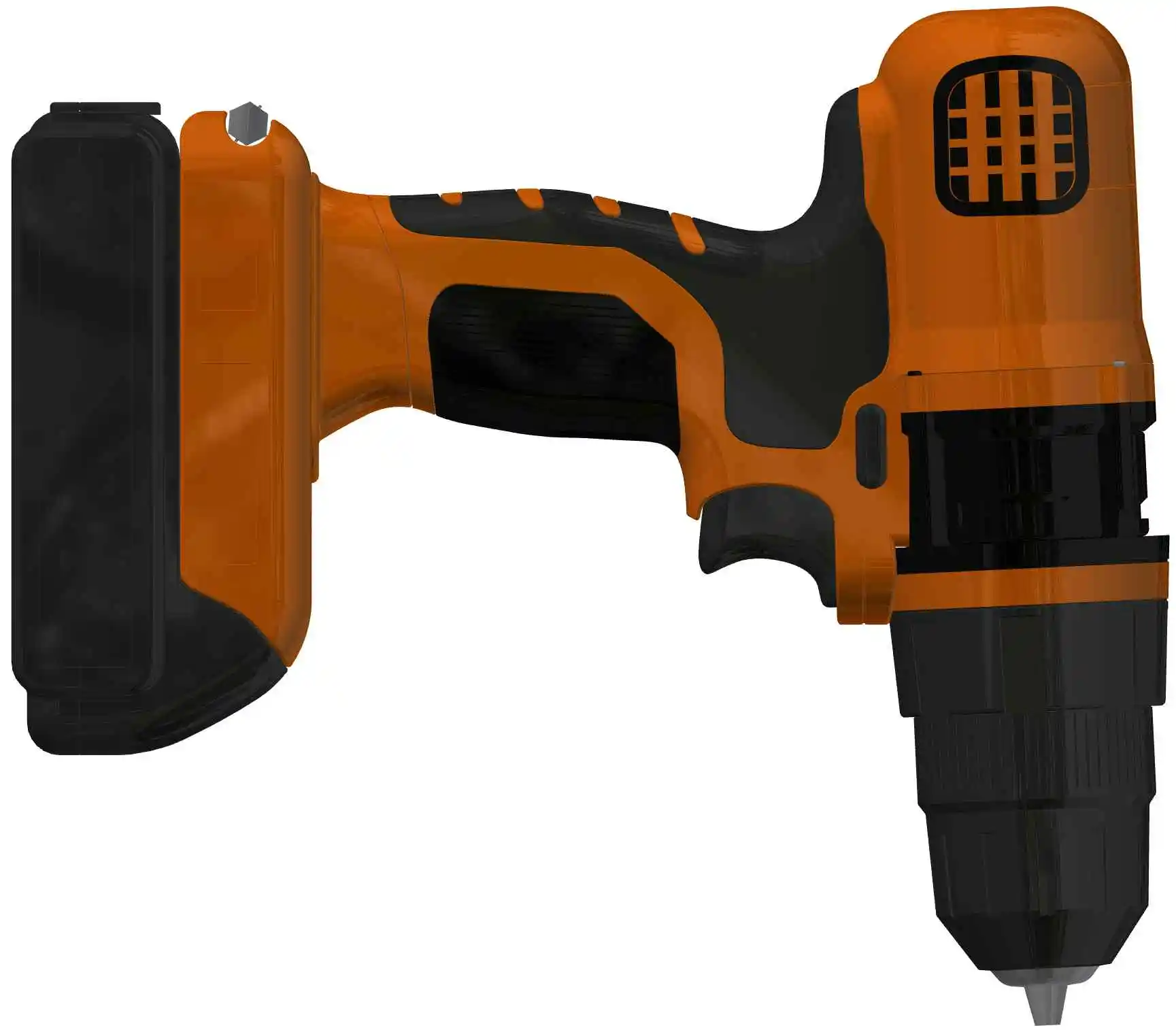
A hammer drill (electric drill with optional hammer mode) is required to predrill holes in concrete pads, concrete footings, and masonry walls before proper anchor hardware are installed to secure floor anchor brackets or wall anchor brackets.
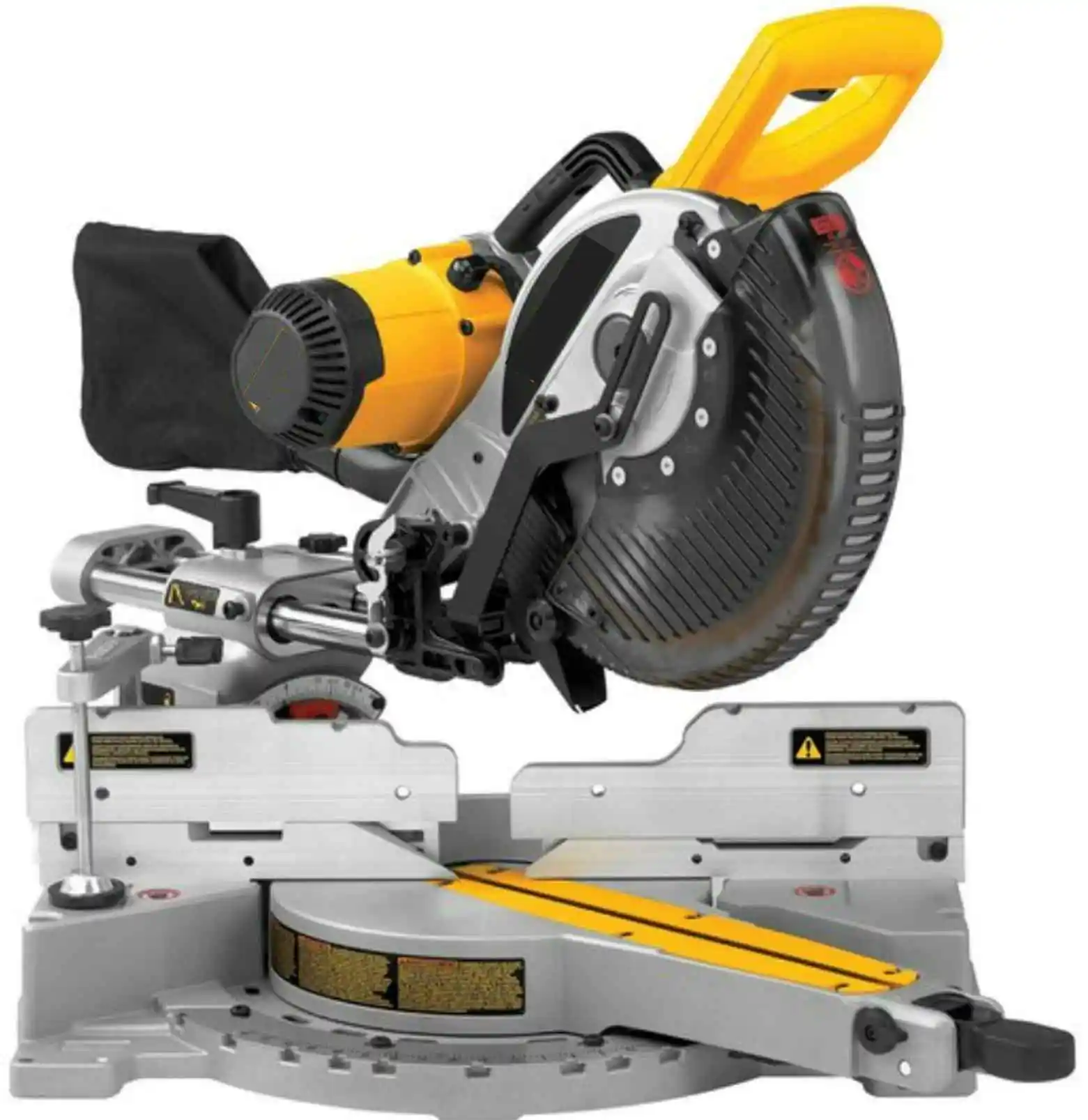
10″ Compound Miter Saw

A 10″ compound miter saw is recommended for making straight, angled, and compound angled cuts as required.  A 10″ sized saw will have the capability to cut compound angles in lumber members up to 2x8s. 

Alternatively, a sliding compound miter saw can be used as a better alternative. Sliding compound miter saws have the capability to cut lumber members up to 2x12s and beyond.
Lumber Information

Lumber Types

  • The wood species you select will be dependent on your personal preference, budget, and your tolerance to future maintenance needs.
  • For lumber exposed to sunlight and weather conditions, select pressure treated pine, cedar, or redwood.
  • For lumber shielded from exposure to sunlight and weather (roof rafters and roof crosstie beams) you may select from kiln dried pine, cedar, or redwood, depending on your budget and cosmetic preference.
  • For low budget and low maintenance for solid roofed structures, we recommend cedar posts, cedar roof skirts, and kiln dried pine rafters and crosstie beams.

Selecting lumber members at the lumberyard

  • Due to manufacturing processes intolerance, delivered lumber lengths can vary.
  • The length of lumber delivered to stores can be longer than the labeled length but will never be less than the labeled length dimension.
  • We suggest that you measure each lumber member before adding to your cart at the store.
  • If available, select lumber members which are slightly longer than the labeled length. Example: if buying 96” length 4x4s. Measure and select member which exceed 96”.
  • Some pieces can have lengths as long as 96-3/8”. The extra length will provide flexibility if you need to trim the ends for squaring or cleaning purpose

Plan ahead to save money and to minimize wood waste

We provide detailed information for you to plan your project. Use the information wisely and make wise judgements about the header lengths which directly drive the overall pergola size.

Example: if you decide to use 60” (1524 mm) length headers, instead of buying 96” (2438 mm) lumber and cutting off and discarding 36” (914 mm), you may be able to buy 120” (3048 mm) long 4x4s and yield two 60” (1524 mm) lengths. If you need a 72” long lumber member, you may be able to acquire an 84” long lumber and trim off only 12”. Check with local lumber yards for available lengths of lumber and plan accordingly.

Dimensional lumber sizes

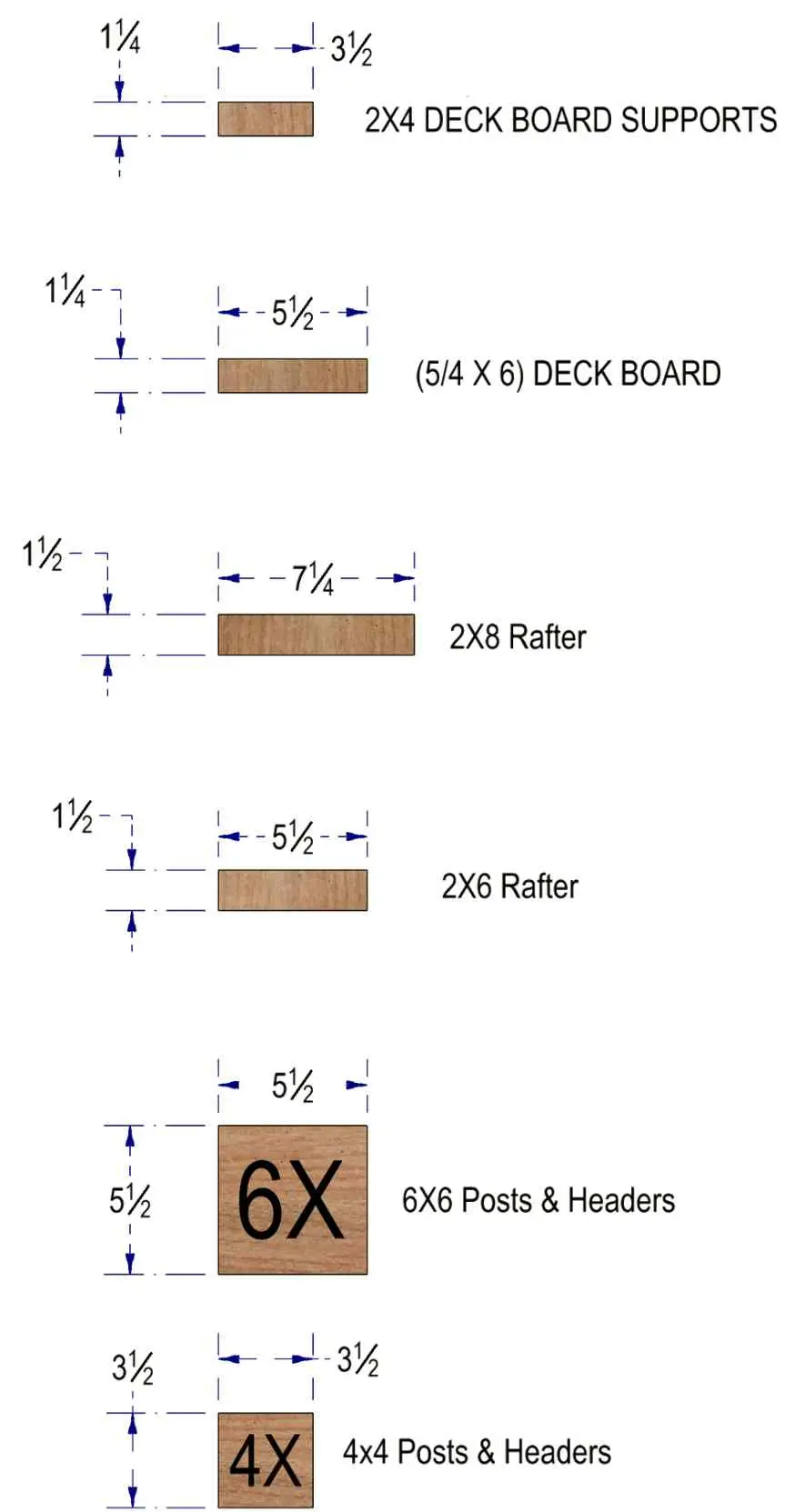
Lumber Size Requirements are as provided, below:
4×4 Structures
  • Employs Brackets suitable for 4×4 dimensional lumber which have actual measurements of 3.5” (89 mm) X 3.5” (89 mm).
  • Use 4x4s as Posts. Maximum 10 ft. post heights recommended.
  • Use 4x4s as Open Top headers. Maximum 10 ft. header lengths recommended.
  • Use 4x4s as Floating Deck footers. Maximum 10 ft. footer lengths recommended.
  • Use 2x4s as deck board supports if installing a wooden deck.
  • Use 2x6s or 2x8s as roof rafter, cross tie beams, and roof skirts. Up to 16 ft. wide structures can use 2×6 rafters. Beyond 16 ft. wide structure sizes, use 2×8 rafters.
6×6 Structures
  • Employs Brackets suitable for 6×6 dimensional lumber which have actual measurements of 5.5” (140 mm) X 5.5” (140 mm).
  • Use 6x6s as Posts. Maximum 12 ft. post heights recommended.
  • Use 6x6s as Open Top headers. Maximum 12 ft. header lengths recommended.
  • Use 6x6s as Floating Deck footers. Maximum 12 ft. footer lengths recommended.
  • Use 2x6s as deck board supports if installing a wooden deck.
  • Use 2x6s or 2x8s as roof rafters and cross supports. Up to 16 ft. wide structues can use 2×6 rafters. Beyond 16 ft. wide structure sizes, use 2×8 rafters.

Maintenance

Maintenance Information
  • The joinery brackets supplied by RioOutdoors.com do not require any maintenance. All brackets are coated with durable powder paint for rust-proofing.
  • The lumber members of the solid roof structure (rafters, cross tie beams, post top headers) do not require any maintenance because they are shielded permanently from sunlight and weather.
  • Other lumber members which are exposed to sunlight and weather, however, may require periodic maintanence depending on the type of lumber you selected and the type of sealant or paint you applied.
Adding vinyl sleeve protection
  • Various vinyl sleeves are available in the market which are designed to wrap around wood members. You may choose to add vinyl sleeves around posts to protect the post lumber members and eliminate future maintenance work. Just remember that vinyl sleeves must be installed during initial installation around the post lumber members and trimmed to the steel post-end brackets. The steel brackets are not designed to accept the extra thickness of the vinyl sleeves.
Lumber Maintenance
  • Maintenance requirements for lumber depends on the wood species used and the extent of sun and weather exposure to the lumber.
  • Cedar and redwood lumber require less maintenance due to their natural resistance to sun and weather.
  • Pressure treated pine is very resistant to rotting but discolors rapidly when exposed to sun and weather, thus requiring frequent resealing or painting.